China’s Gold Reserves Grow Following Largest Purchase in Three Years
China's gold reserves reached a record 2,410 tonnes in September 2026 following its largest monthly purchase in three years. Driven by political motivations and retail demand, this ongoing accumulation continues to support global gold prices.


According to a report from MarketCapOf detailing China’s gold acquisitions, the country’s gold reserves expanded to a record 2,410 tonnes in September 2026 after the People’s Bank of China incorporated 23 tonnes, marking its largest monthly purchase in nearly three years. This increase further extends a 23-month streak of acquisitions by China. Meanwhile, the proportion of gold in global reserves has grown from 5.77% in 2007 to roughly 20%, with ongoing central bank purchases actively influencing the gold price forecast.
China’s Gold Buying Spree Helps Hold Up Gold Prices
Figures from the State Administration of Foreign Exchange—highlighted in Pluang’s analysis of record gold imports into China—indicate that this purchasing streak is now the longest recorded since at least 2015. Gold reserves currently account for about 9% of China’s total foreign exchange reserves, and Beijing has accumulated more than 103 tonnes over the course of the year, trailing only Poland.
Data compiled by The Market Ear demonstrates that gold’s proportion of global reserves hovered between 6% and 10% for over ten years before surging after 2020, with China’s steady accumulation serving as a major contributor to that upward trend.
Why China Keeps Buying Gold
Julius Baer Group analyst Carsten Menke noted that Beijing’s primary driver is political, motivated by a desire to reduce its reliance on the U.S. dollar and Treasuries. Furthermore, Menke estimated that an additional 110 tonnes purchased this year went unreported, suggesting China’s actual gold reserves may exceed official figures.
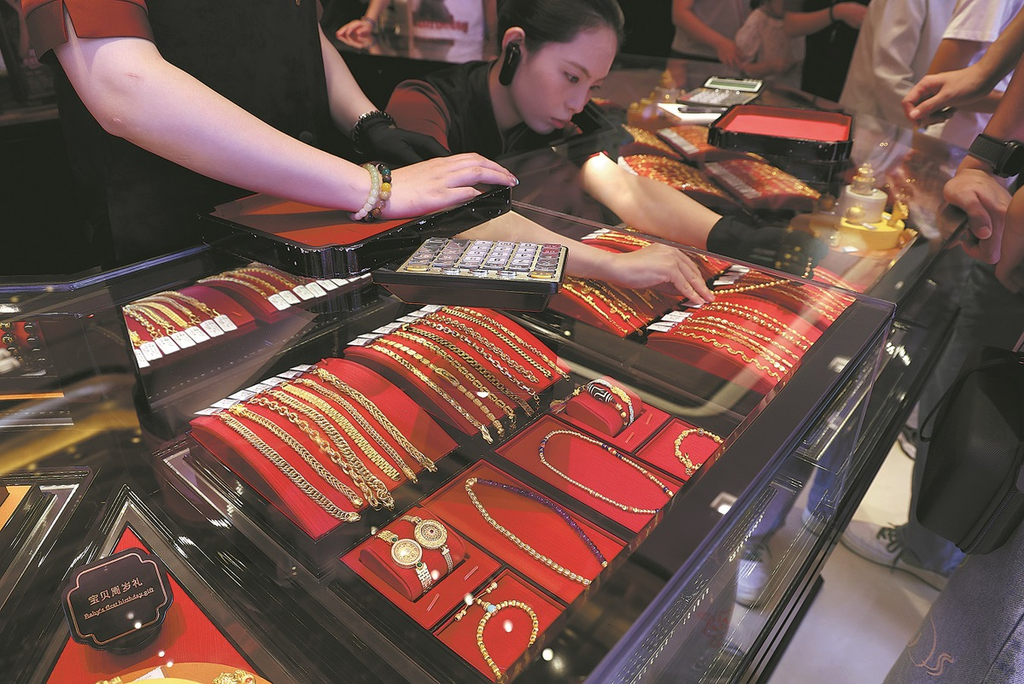
In addition to central bank purchases, retail consumers are driving demand. Amid struggles in the domestic property and stock markets, China spent a record $158.8 billion on over 1,000 tonnes of gold imports during the first eight months of 2026.
Source: China Daily
Ole Hansen, head of commodity strategy at Saxo Bank, noted:
“The opportunity cost of holding gold is also much lower in China than in many Western markets.”
Gold Price Forecast Holds Firm As Central Banks Keep Buying
Although gold fell by more than 8% in September to roughly $4,176 an ounce following a record peak above $5,500 in January, continuous buying by China has prevented further declines.
ING Bank commodities strategist Ewa Manthey remarked:
“Chinese buying has become an important source of structural support for gold prices.”
State Street Investment Management’s Aakash Doshi projects a gold price forecast ranging from $4,750 to $5,500 per troy ounce by the end of the first quarter of 2027. Meanwhile, central bank demand remains strong, with 45% of 74 central banks surveyed by the World Gold Council indicating plans to add to their holdings. Notably, China’s current gold reserves remain under a third of total U.S. holdings.
Ghana Eyes BRICS As Gold Demand Grows

Source: S_OkudzetoAblak on X
Ghana, a leading West African gold producer, is also seeking membership in the BRICS bloc, which would align it alongside China, India, and Russia, as reported by Africa Business Insider. This development coincides with ongoing record highs in China’s gold reserves. On October 6, Foreign Minister Samuel Okudzeto Ablakwa publicly announced the Cabinet’s resolution on X:
“On the occasion of this important visit, I announced Cabinet’s strategic decision to apply for BRICS membership. The Government of Ghana is determined to position Ghana as a reliable friend to all as we expand our geopolitical and economic frontiers, anchored fundamentally on our national interest and freedom of choice in this fast-evolving multipolar world.”
Certain economic factors could eventually cool demand. Hansen noted that a recovery in China’s stock and real estate sectors, a stronger yuan, or higher deposit rates might weigh on purchasing trends. However, a major shift would require central banks to abandon their reserve diversification strategies alongside a significant easing of geopolitical tensions—neither of which he anticipates in the near term. Supported by rising Chinese gold reserves, an increasing global share of gold reserves, and sustained central bank acquisition, the gold price forecast extending into 2027 remains positive.
Frequently Asked Questions
01Why is China increasing its gold reserves?
According to analysts, Beijing’s primary motivation is political, aimed at reducing reliance on the U.S. dollar and U.S. Treasuries while diversifying its foreign exchange reserves.
02How much gold does China currently hold?
China’s official gold reserves reached a record 2,410 tonnes in September 2026, though analysts suggest unreported acquisitions could mean actual figures are higher.
03What are analysts predicting for future gold prices?
Some analysts forecast gold prices to reach between $4,750 and $5,500 per troy ounce by the end of the first quarter of 2027, largely supported by continued central bank and retail buying.