Senate Democrats Draft Plan to Limit Credit Card Interest at 10%
Senate Democrats are drafting a plan to limit credit card interest rates at 10 percent, with Senator Elizabeth Warren collaborating with President Donald Trump to provide debt relief to millions of Americans.

Legislation capping credit card interest rates could advance rapidly during the new Congress, as Senator Elizabeth Warren stated on Sunday that she is prepared to collaborate with President Donald Trump on a 10% limit. Such a 10% limit would sit substantially below current rates, which averaged 22.36% during the third quarter of 2026 based on Federal Reserve figures. With Senate Democrats assuming the majority in January, proponents view the measure as a way to deliver credit card debt relief to millions of Americans.
How a 10% Credit Card Rate Cap Could Change Borrowing Costs
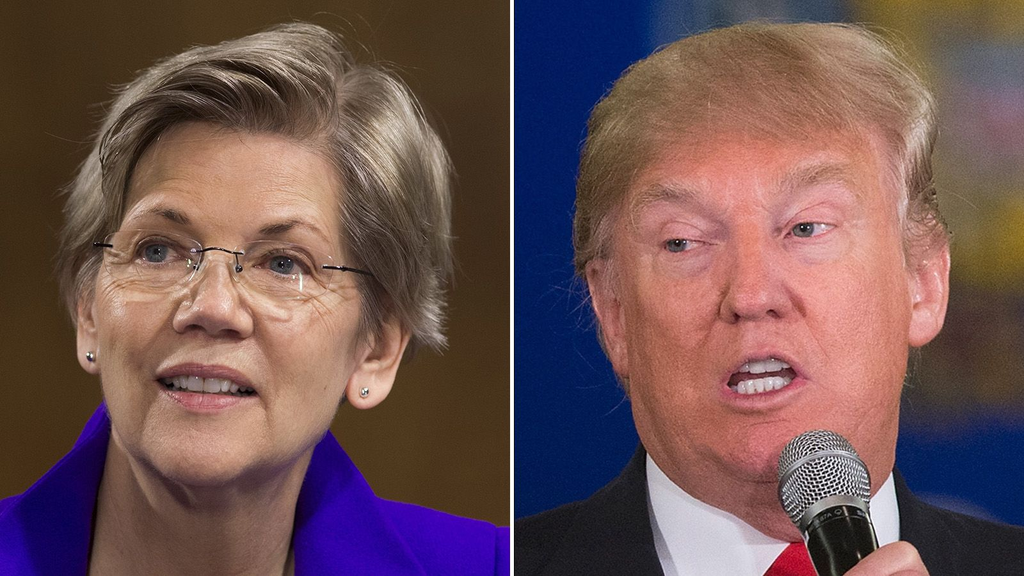
Warren, who is anticipated to take over as chair of the Senate Banking Committee once Democrats assume control, highlighted the credit card interest rate cap as her primary collaborative goal with Trump. During an appearance on CBS News’ Face the Nation, she remarked:
“President Trump himself said that he wants to reduce interest rates on credit cards to 10 percent. I got the bill. I’m ready to go.”
Trump initially proposed a temporary one-year 10% cap back in January, arguing that consumers were being exploited by card issuers. That January 20 deadline passed without any legislative action being taken.
Why The Senate Math Has Changed
At that time, Republicans held control of Congress, and some of the most vocal resistance originated within Trump’s own political party. Senate Majority Leader John Thune stated that the proposal was not something he actively supported, while Senator Thom Tillis declared himself entirely opposed to a 10% credit card interest rate cap.
Although Democrats now hold majorities in both chambers, any final legislation would still require Trump’s signature to become law.
Banks Warn Of Tighter Credit And Higher Fees
The banking sector currently stands as the most prominent critic of a credit card interest rate cap, pointing out that lenders rely on interest rates to account for risk. Sarah Grano, a spokesperson for the American Bankers Association, noted that the organization remains firmly opposed to a government-mandated cap on credit card interest rates. Similarly, Consumer Bankers Association CEO Lindsey Johnson shared her perspective with Newsweek:
“But rather than addressing those underlying challenges, a 10% interest rate cap could restrict access to roughly 75% of current cardholders who rely on the product to navigate expense shocks and bridge the gap in times of need.”
Additionally, JPMorgan Chase CEO Jamie Dimon cautioned that a 10% credit card interest rate cap might lead to a severe contraction across the credit card industry.
What Borrowers Could Gain And Lose
For consumers carrying ongoing balances, a credit card interest rate cap could provide rapid financial relief. Robert H. Scott III, a Monmouth University economics professor, explained that reduced rates could assist borrowers in eliminating debt more quickly if the cap applied to existing balances as well. Jennifer Doss, executive editor at CardRatings.com, expressed a similar view to Newsweek:
“In the short term, a 10 percent cap sounds like a win for anyone carrying a balance at today’s 20 percent+ average interest rates. It’s immediate relief that puts money back in people’s pockets.”
However, that same credit card debt relief could bring unintended consequences. Doss also cautioned about secondary effects such as restricted credit availability, reduced spending limits, increased fees, and a reduction in rewards programs.
Democrats also view the push for credit card debt relief as a test of Trump’s populist commitments. While Trump previously vowed to act as a veto barrier if Democrats secured control of Congress, he has indicated a willingness to negotiate with them as of this writing.
Frequently Asked Questions
What is the proposed credit card interest rate cap?
Lawmakers are discussing a temporary 10% cap on credit card interest rates, which is significantly lower than the third-quarter 2026 average of 22.36% reported by the Federal Reserve.
Who supports the 10% interest rate cap?
Senator Elizabeth Warren and President Donald Trump both support implementing a 10% limit, with Senate Democrats looking to advance the legislation.
What are the main concerns raised by banks?
Banking groups and executives warn that a 10% cap could severely restrict credit access for a majority of cardholders, reduce credit limits, raise fees, and trigger a major contraction in the credit industry.